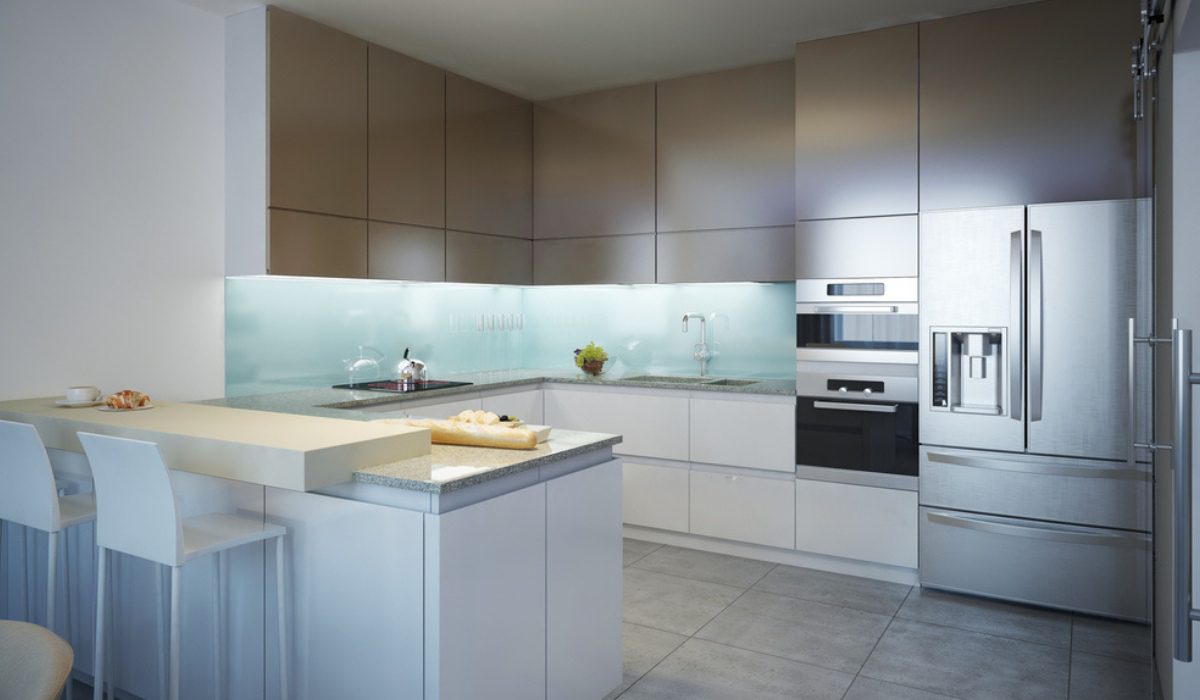
Every kitchen shutter, wardrobe door, and office cabinet has the same silent enemy: fingerprints. A dark matte or glossy surface can look flawless on installation day and streaky within a week. Anyone who has spent time wiping down cabinet handles knows the frustration.
Anti-fingerprint laminate was developed to solve exactly this. This guide explains what it is, how it works, where it makes the most sense, and what to check before you specify it.
What Is Anti-Fingerprint Laminate?
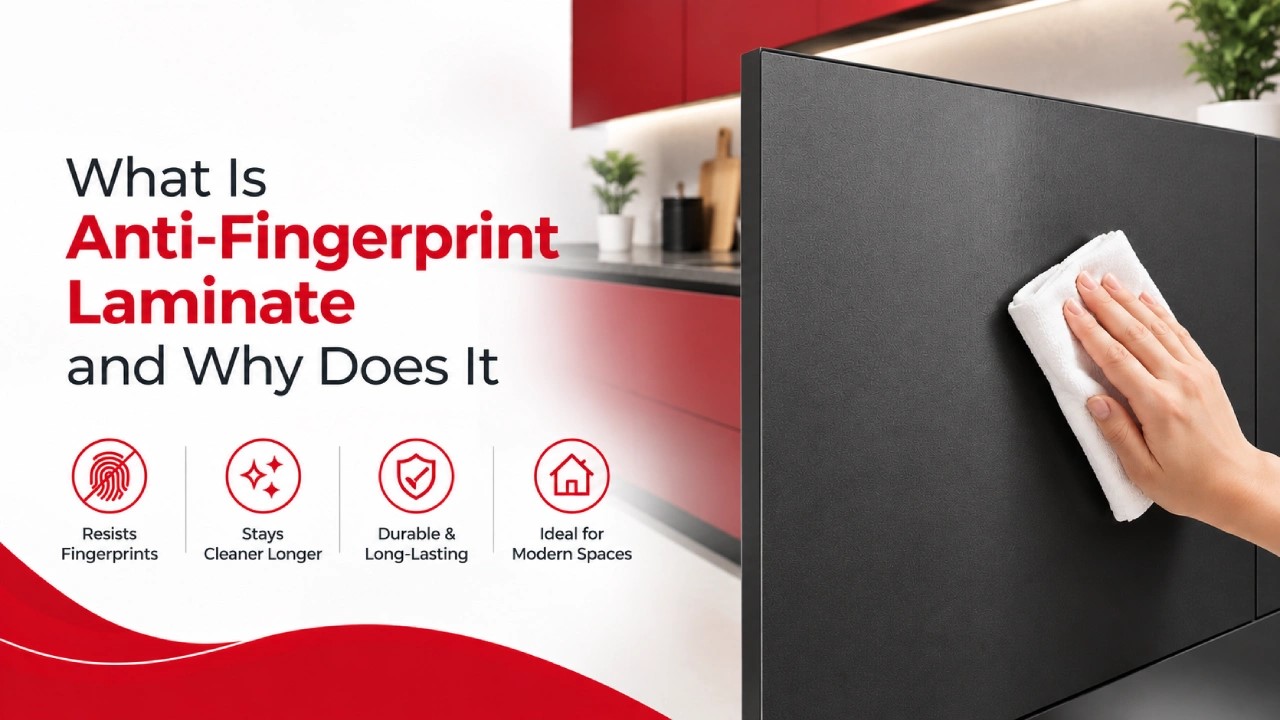
Anti-fingerprint laminate is a decorative laminate with a specially formulated surface that resists oils, smudges, and fingerprint marks. Standard laminates, especially dark colors and glossy finishes, readily show the natural oils transferred from skin. Anti-fingerprint laminates are engineered so those marks either don't show up or wipe away with minimal effort.
Most anti-fingerprint laminates pair this property with an ultra-matte, soft-touch finish, which is a big part of why they've become so popular in contemporary interiors.
Why Fingerprints Show Up on Ordinary Laminate
Fingerprints are mostly skin oils and moisture. On a standard surface, especially a dark or high-gloss one, those residues sit on top of the finish and scatter light differently from the surrounding area, which is why they're so visible. Anti-fingerprint surfaces use a modified surface layer that reduces how much residue is retained and how visibly it shows.
Key Benefits
1. A Cleaner Look With Less Effort
The most obvious benefit: surfaces stay presentable between cleans. For high-touch areas like cabinet fronts, wardrobe shutters, and drawer faces, this is a daily quality-of-life improvement.
2. A Premium, Soft-Touch Feel
The ultra-matte finish typical of anti-fingerprint laminates has a velvety feel that reads as high-end, closer to premium European cabinetry than a conventional laminate sheet.
3. Hygiene Support
Stylam's TouchMe range, for example, combines its anti-fingerprint coating with anti-bacterial and hygienic surface properties, which matters in kitchens and shared workspaces where surfaces are touched constantly.
4. Scratch Resistance
Good anti-fingerprint laminates also hold up to everyday scratches and wear, so the finish stays consistent over time rather than showing marks where it's been handled most.
Where to Use Anti-Fingerprint Laminate
- Modular kitchen shutters and cabinets — the highest-touch surfaces in most homes
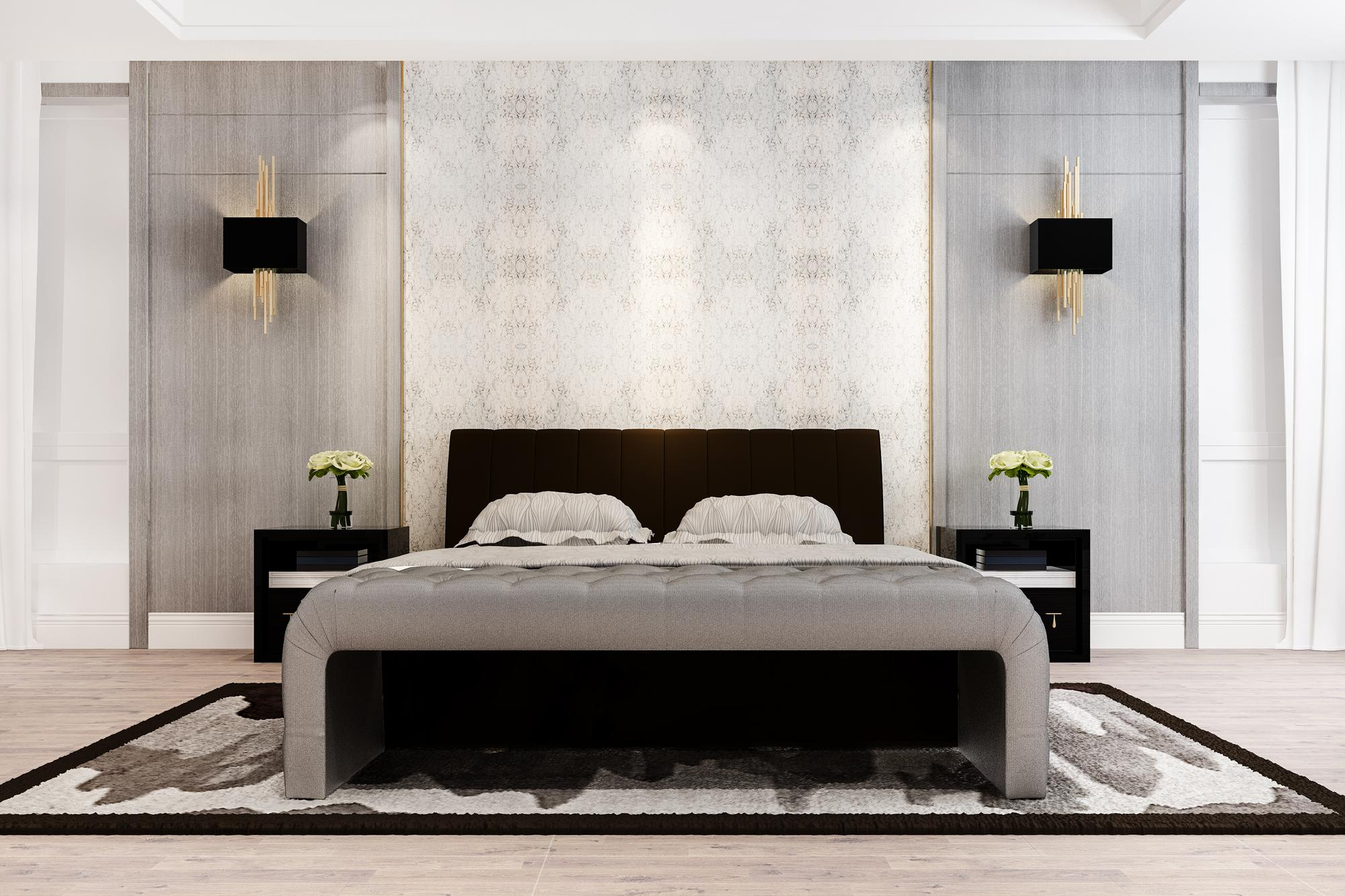
- Wardrobes and bedroom storage — especially in dark or deep-toned finishes
- Office furniture and workstations — desks, storage units, and meeting-room tables
- Retail and hospitality fixtures — counters and display units handled all day
- Healthcare and shared spaces — anywhere hygiene and clean appearance both matter
For modular furniture manufacturers, anti-fingerprint pre-laminated boards can streamline production, since the surface arrives ready to use.
Anti-Fingerprint vs Regular Matte vs Gloss
| Feature |
Anti-Fingerprint Matte |
Regular Matte |
High Gloss |
| Shows fingerprints |
Minimal |
Moderate |
Heavily |
| Feel |
Soft, velvety |
Flat |
Smooth, slick |
| Cleaning effort |
Low |
Moderate |
High |
| Best for |
High-touch surfaces |
General use |
Statement, low-touch surfaces |
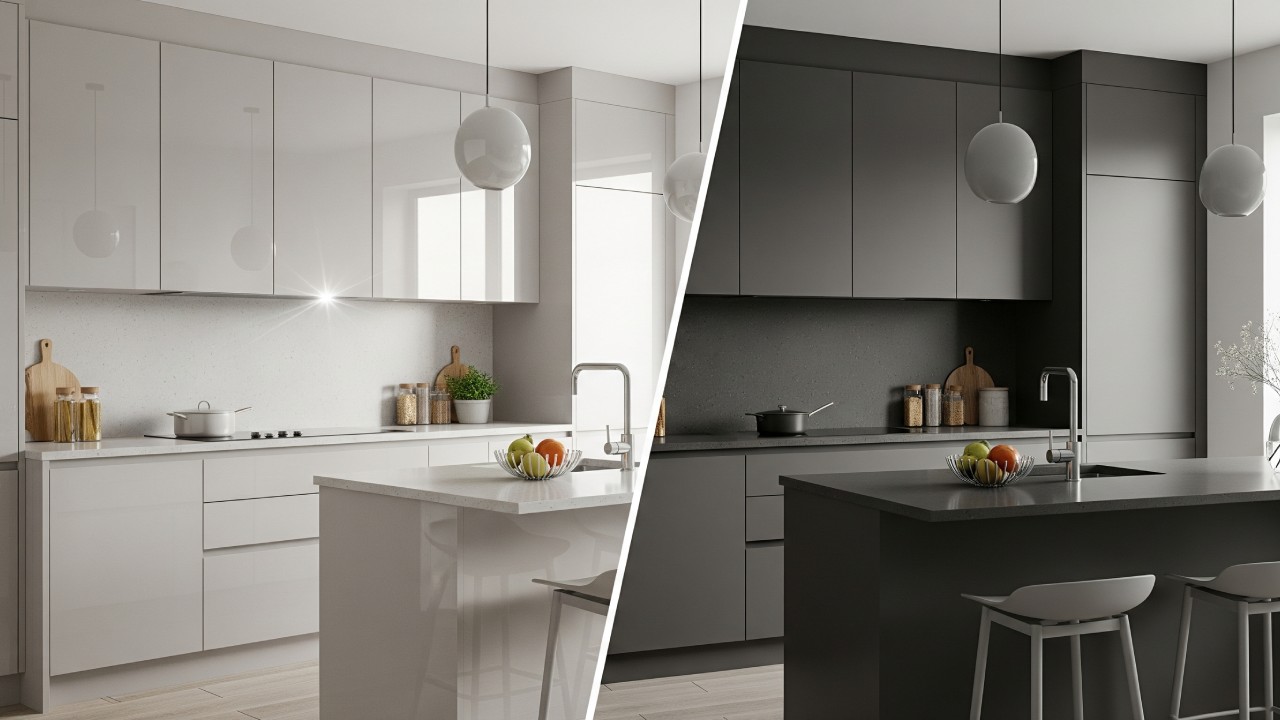
A regular matte laminate hides some marks but still holds oils in its texture. High gloss shows nearly every touch. Anti-fingerprint matte is designed specifically for surfaces that are handled often.
What to Check Before You Specify
- Ask for the technical datasheet. Look for documented surface performance, not just a marketing claim.
- Verify antibacterial claims. Where a product advertises antibacterial properties, ask for test reports. Antibacterial performance on non-porous surfaces is commonly evaluated using methods such as ISO 22196, which measures bacterial reduction on a treated surface compared with an untreated control.
- Order samples and test them in real light. Dark matte finishes can look different under warm kitchen lighting than under showroom lights.
- Match the finish to the use. Anti-fingerprint surfaces suit high-touch areas, while low-touch feature panels have more freedom to use other finishes.
Explore Stylam TouchMe
Stylam's TouchMe Anti-Fingerprint Laminates offer an ultra-matte finish with a smudge-resistant coating, designed for kitchens, wardrobes, and office furniture. For the wider decorative range, browse the HPL collection.
Final Thoughts
Anti-fingerprint laminate is a practical answer to a very ordinary problem. It won't change how a space is designed, but it will change how that space looks after months of daily use, which is often what clients notice most. For kitchens, wardrobes, and any high-touch surface, it's one of the simplest upgrades available.
Related Reading