If you're planning new furniture, modular kitchen cabinets, or a wardrobe, you've probably run into two terms again and again: laminate and plywood. They're often mentioned in the same breath, but they aren't actually competing materials - they usually work together. Plywood is the structural base (the "core"), while laminate is the surface layer that goes on top of it.
The real question most people are trying to answer isn't "laminate or plywood" - it's which type of plywood core and which laminate finish will give the best combination of durability, looks, and value for their budget. In this guide, we'll break down what each material actually does, compare their pros and cons, and help you make a decision you won't regret five years from now.
What Is Plywood?
Plywood is an engineered wood panel made by gluing together thin layers of wood veneer, with the grain of each layer rotated at right angles to the one below it. This cross-graining is what gives plywood its strength, stability, and resistance to warping compared to solid wood - a construction method explained in detail on Wikipedia's plywood overview.
In furniture and interiors, plywood typically shows up as:
- MR (Moisture Resistant) grade – for dry, indoor furniture like wardrobes and shelves
- BWR (Boiling Waterproof Resistant) grade – for kitchens, bathrooms, and other moisture-prone areas
- BWP (Boiling Water Proof) / Marine grade – for the highest water resistance, used in exteriors and wet areas
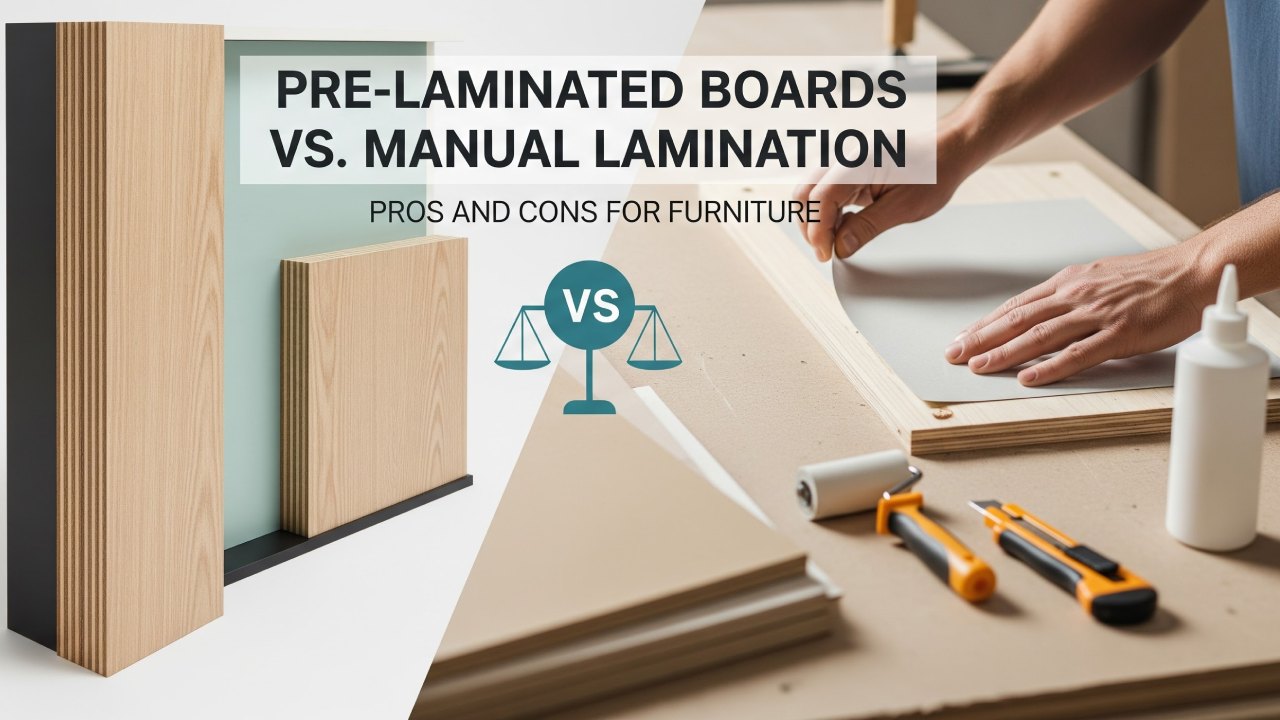
Plywood alone is rarely left exposed - it's usually finished with laminate, veneer, or paint.
What Is Laminate?
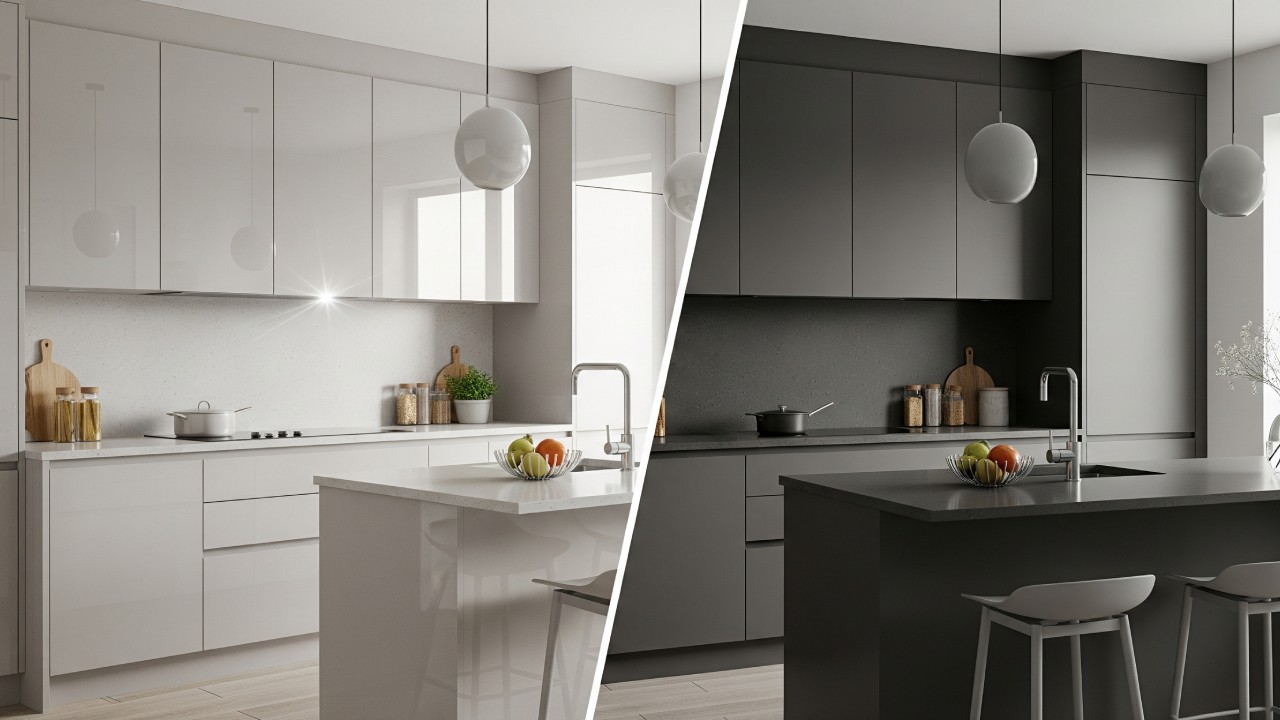
Laminate is a thin, decorative surface sheet - usually High Pressure Laminate (HPL) - made by fusing layers of kraft paper and decorative paper under high heat and pressure, then bonding it onto a substrate like plywood, MDF, or particleboard. Laminate is what actually gives a piece of furniture its color, texture, and finish, whether that's a wood grain look, a solid color, a high-gloss shine, or a matte stone effect.
If you want to understand HPL manufacturing and design options in more depth, our guide to HPL sheets covers the full range of finishes available today.
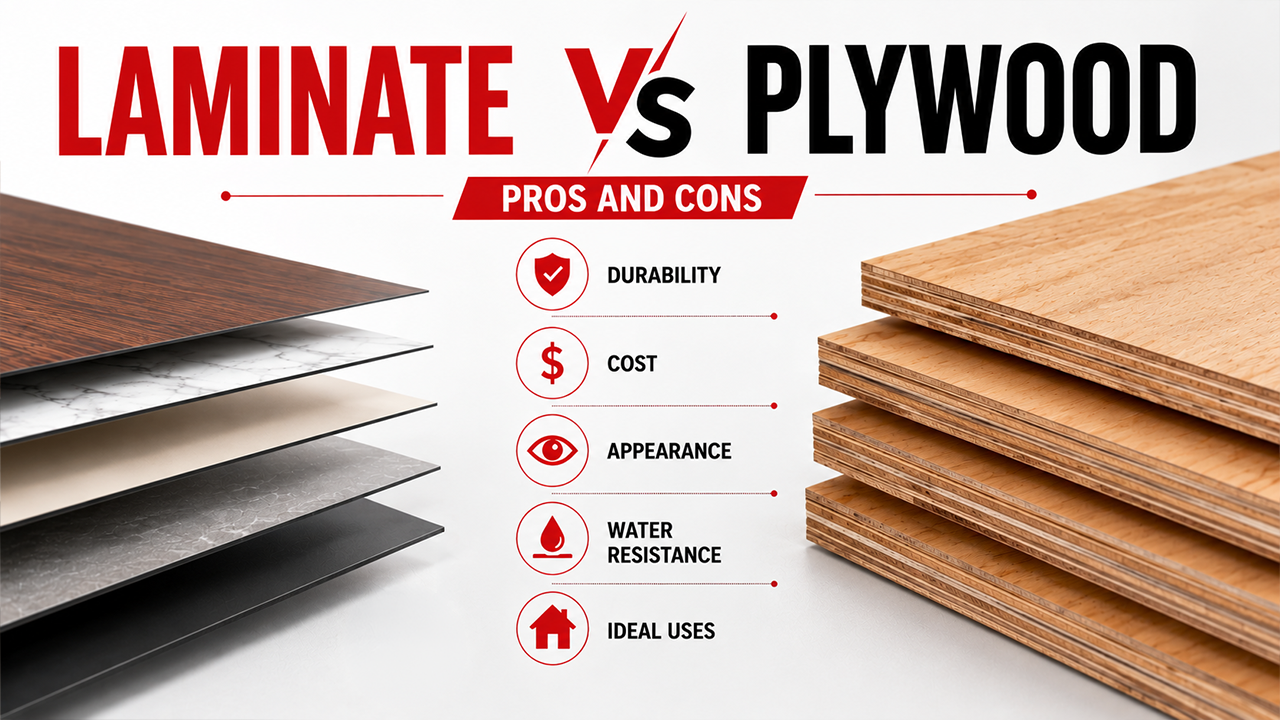
Laminate vs Plywood: Quick Comparison
|
Factor
|
Laminate
|
Plywood
|
|
Role
|
Surface finish / decorative layer
|
Structural core / base material
|
|
Water resistance
|
High (surface layer resists moisture)
|
Depends on grade (MR to BWP)
|
|
Durability
|
Scratch and stain resistant
|
Strong, load-bearing, resists warping
|
|
Design options
|
Extensive - wood grains, solids, textures, gloss/matte
|
Limited - needs a surface finish
|
|
Cost
|
Moderate, varies by design and thickness
|
Moderate to high, varies by grade
|
|
Maintenance
|
Very low - wipes clean easily
|
Needs a protective surface to avoid damage
|
|
Best used for
|
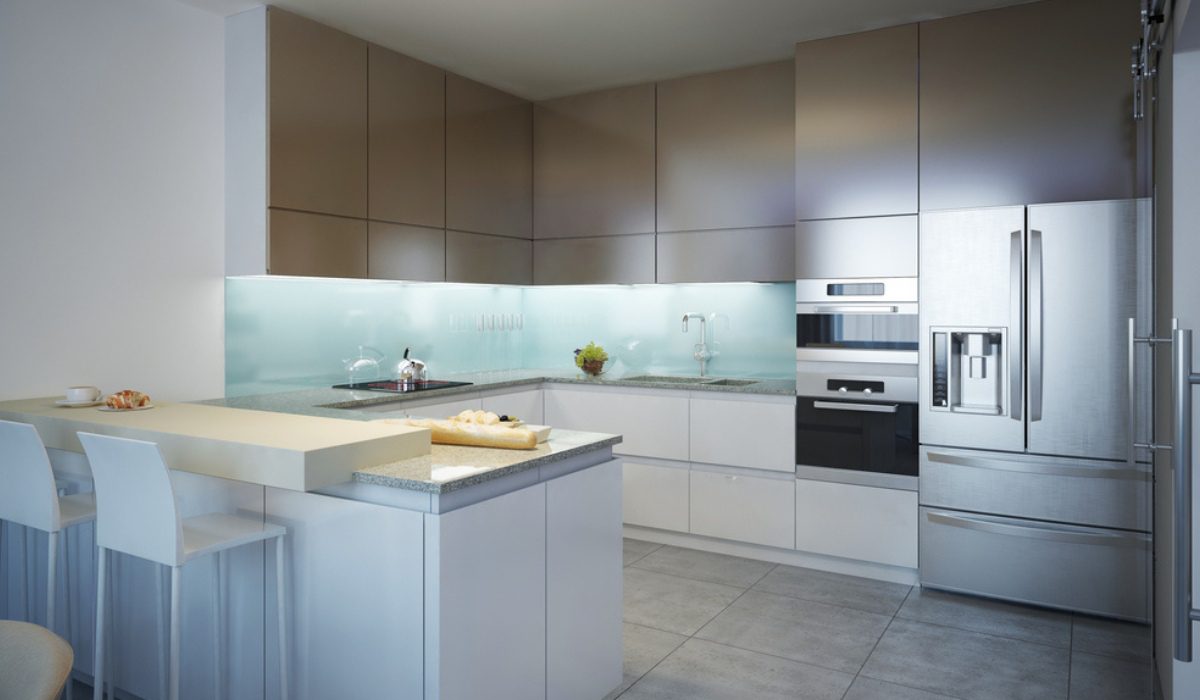
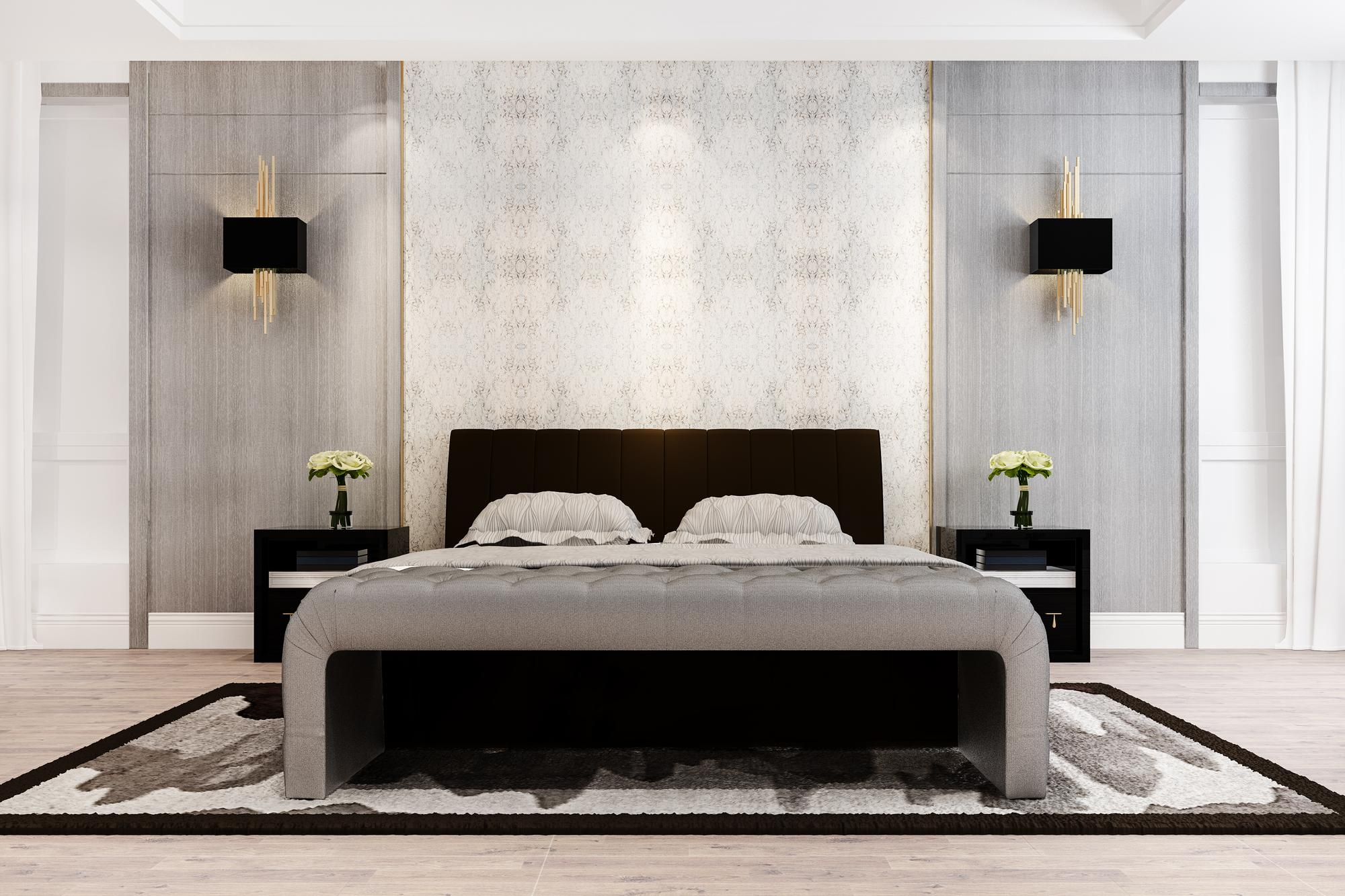
Kitchen shutters, wardrobes, countertops, wall panels
|
Cabinet carcasses, structural furniture bases
|
Pros and Cons of Laminate
Pros:
- Wide variety of colors, textures, and finishes - including wood grain, metallic, high gloss, and matte
- Highly resistant to scratches, stains, and daily wear
- Easy to clean and maintain - no polishing or refinishing needed
- More budget-friendly than natural wood veneer for a similar look
- Consistent quality and appearance across large orders (useful for commercial projects)
Cons:
- On its own, laminate isn't structural - it needs a solid substrate underneath
- Lower-quality laminates can peel or delaminate at the edges over time if poorly installed
- Repairing a damaged laminate surface usually means replacing the whole panel, not just touching it up
Pros and Cons of Plywood
Pros:
- Strong and load-bearing - ideal for shelves, cabinet frames, and heavy furniture
- Resists warping and cracking better than solid wood in fluctuating humidity
- Holds screws and hardware securely, which matters for cabinets and drawers
- Available in moisture-resistant and waterproof grades for kitchens and bathrooms
Cons:
- Plain plywood isn't decorative - it needs laminate, veneer, or paint as a finish
- Lower grades can contain voids or weaker cores that affect durability
- Quality varies significantly between brands and grades, so sourcing matters
So, Laminate or Plywood - Which Should You Choose?
In most real-world furniture and interior projects, this isn't an either/or decision. The stronger approach is:
- Choose the right plywood grade for the location - BWR or BWP for kitchens and bathrooms, MR for dry indoor furniture.
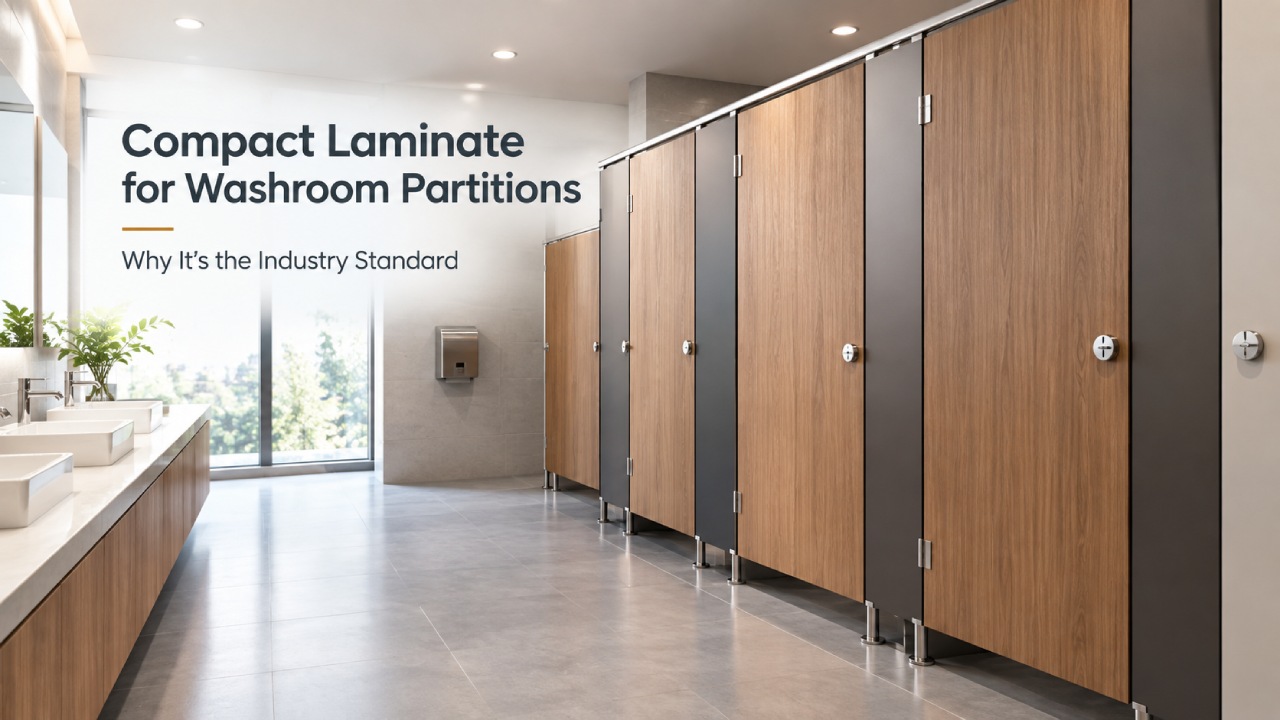
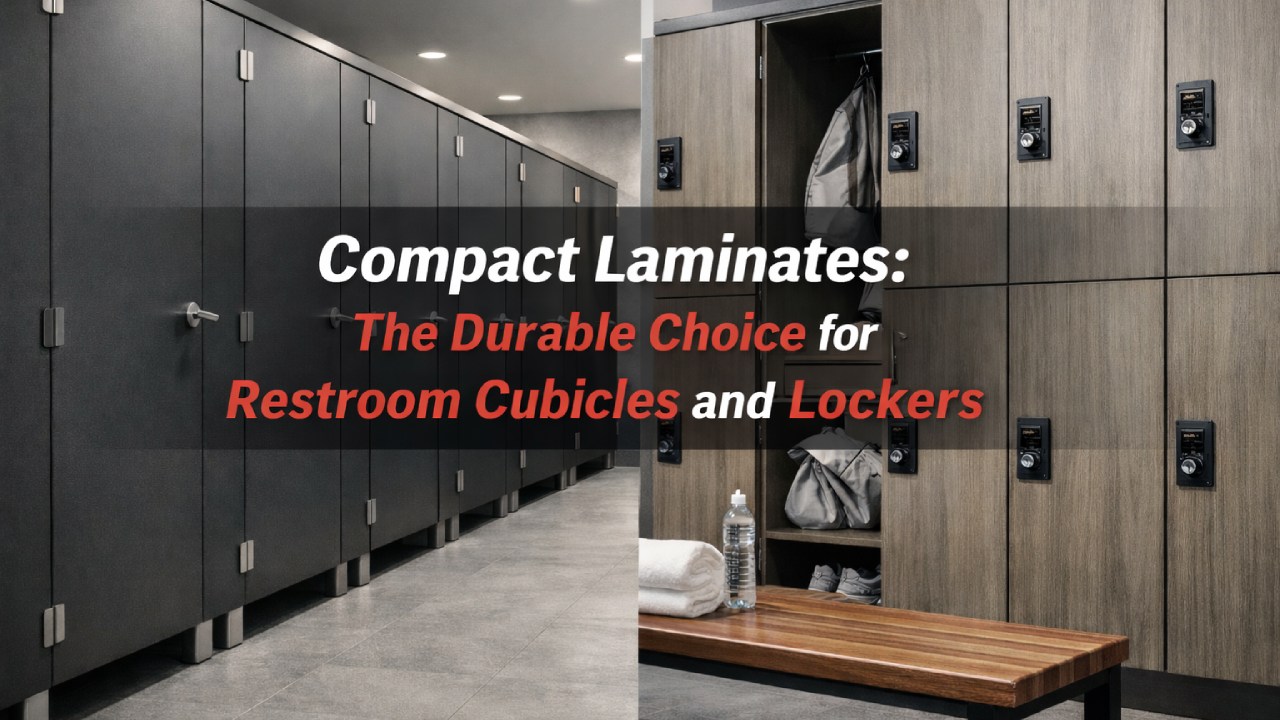
- Choose the right laminate finish for the look and durability you need — for example, a compact laminate for high-traffic or exterior-facing surfaces, or a standard HPL sheet for wardrobes and cabinets.
- Make sure both are sourced from a manufacturer that controls quality on both the core and the surface layer, so they perform well together over years of use - not just on day one.
If you're building furniture for a kitchen, bathroom, or any high-moisture area, pairing a BWP-grade plywood core with a water-resistant laminate surface gives you the best of both: structural strength underneath and a durable, good-looking finish on top.
Frequently Asked Questions
Is laminate stronger than plywood?
No — they serve different purposes. Plywood provides structural strength, while laminate provides a durable, decorative surface. Comparing their "strength" directly isn't quite accurate since one is a core material and the other is a surface finish.
Which is more water-resistant, laminate or plywood?
Laminate itself is highly water-resistant on the surface, but if the plywood underneath is a lower moisture-resistant grade, water can still damage the panel from the edges or back. For wet areas, always pair a good laminate with BWR or BWP-grade plywood.
Is laminate furniture cheaper than plywood furniture?
The two aren't directly comparable costs since laminate is applied on top of plywood or a similar substrate. The overall cost depends on the plywood grade, laminate quality, and the size and complexity of the furniture.
Can I put laminate directly on any surface?
Laminate is typically bonded to plywood, MDF, or particleboard using strong adhesives under pressure. It's not usually applied as a standalone DIY surface without a solid substrate.
Looking for laminate sheets that pair reliably with your plywood core, whether it's for a kitchen, wardrobe, or commercial interior? Explore Stylam's full range of laminates to find the right finish, durability, and design for your project.